
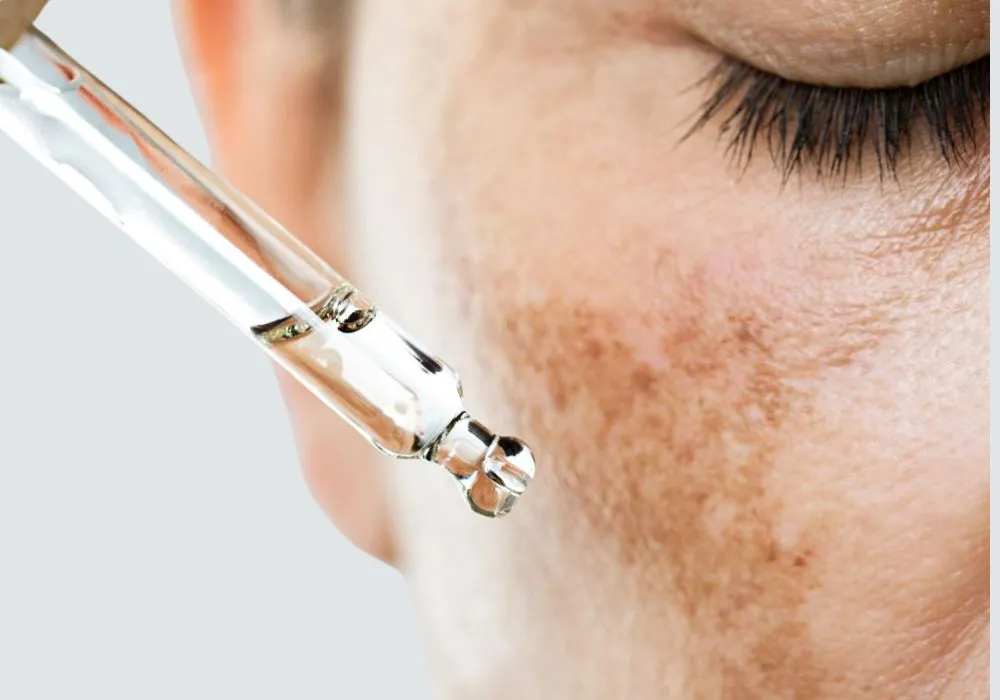
Melasma is a common skin condition that causes dark brown, light brown or greyish patches to appear on the face. It most commonly affects the cheeks, forehead, nose, upper lip and chin. Although melasma is not harmful or contagious, it can be persistent and may affect a person’s confidence.
Melasma is more common in women, particularly during periods of hormonal changes, but it can also affect men. With the right diagnosis, treatment and skincare routine, the appearance of melasma can be significantly improved.
What Is Melasma?
Melasma is a pigmentation disorder in which the skin produces excess melanin, the pigment responsible for skin colour. This increased melanin production results in irregular patches of pigmentation, most commonly on areas of the face exposed to sunlight.
Melasma often appears in a symmetrical pattern, with similar areas of pigmentation appearing on both sides of the face. The colour can range from light brown to dark brown or greyish, depending on the individual’s skin type and the depth of the pigmentation.
Melasma is generally considered a chronic condition. It can improve with appropriate treatment, but pigmentation may return when the skin is exposed to triggers such as sunlight or hormonal changes.
What Causes Melasma?
The exact cause of melasma is not completely understood. However, several factors can contribute to increased melanin production and trigger or worsen pigmentation.
Sun Exposure
Sun exposure is one of the most important triggers of melasma. Ultraviolet radiation can stimulate pigment-producing cells in the skin, causing existing pigmentation to become darker and making new pigmentation more likely to develop.
Consistent sun protection is therefore an important part of both melasma treatment and prevention.
Hormonal Changes
Hormonal changes can play an important role in melasma. The condition is commonly associated with pregnancy and is sometimes called the “mask of pregnancy”.
Hormonal contraceptives and other hormonal changes may also contribute to melasma in some individuals.
Genetic Factors
People with a family history of melasma may have a greater tendency to develop the condition. Individuals with medium to darker skin tones may also be more prone to pigmentation.
Heat and Visible Light
Heat and visible light may worsen melasma in some people. Prolonged exposure to hot environments and sunlight can contribute to persistent pigmentation, making environmental protection an important part of managing the condition.
Medications and Skincare Products
Certain medications and skincare products can make the skin more sensitive or contribute to pigmentation. A dermatologist can help identify whether any medication or product may be contributing to the condition.
What Does Melasma Look Like?
Melasma usually appears as flat, irregular patches of pigmentation rather than raised spots. It commonly affects the cheeks, forehead, nose, upper lip, chin and jawline.
The pigmentation may be light brown, dark brown or greyish depending on the individual. Melasma generally does not cause pain or itching.
Because several other skin conditions can also cause facial pigmentation, professional evaluation can help determine whether the pigmentation is actually melasma.
Types of Melasma
Melasma can be classified according to the depth of pigmentation within the skin.
Epidermal Melasma
Epidermal melasma affects the upper layers of the skin and generally appears light to medium brown. This type may respond more readily to certain treatments.
Dermal Melasma
Dermal melasma involves deeper layers of the skin and may appear greyish or bluish. It can be more challenging to treat and may require a longer treatment approach.
Mixed Melasma
Mixed melasma involves both superficial and deeper layers of the skin. A dermatologist can assess the pigmentation and recommend an appropriate treatment plan.
How Is Melasma Diagnosed?
Melasma is usually diagnosed through a clinical examination by a dermatologist. The doctor may examine the colour, pattern and distribution of the pigmentation and discuss factors such as sun exposure, hormonal changes, medications and skincare products.
In some cases, additional examination methods such as a Wood’s lamp or dermoscopy may be used to understand the pigmentation more clearly.
An accurate diagnosis is important because other skin conditions can also cause dark patches on the face and may require different treatments.
Melasma Treatment
There is no single treatment that works for every person with melasma. Treatment generally aims to reduce existing pigmentation, prevent further darkening and maintain improvement.
A dermatologist may recommend topical medications, professional procedures or a combination of treatments depending on the individual’s skin type, pigmentation and previous treatment history.
Prescription Creams
Topical treatments can help reduce excess pigmentation and improve uneven skin tone. Depending on the individual case, a dermatologist may prescribe ingredients such as hydroquinone, retinoids, azelaic acid or other pigmentation-reducing medications.
These products should be used under professional guidance because inappropriate use of strong pigmentation treatments can cause irritation and other skin problems.
Chemical Peels
Chemical peels use specially selected solutions to remove damaged outer layers of the skin and encourage skin renewal.
Certain chemical peels may help improve pigmentation when appropriately selected for the individual’s skin type. Professional assessment is particularly important for people with darker skin tones because unsuitable treatments may sometimes cause irritation or worsen pigmentation.
Laser and Light-Based Treatments
Laser and other light-based procedures may be considered for selected cases of melasma. These treatments are designed to target pigmentation and improve overall skin appearance.
However, melasma can sometimes return after treatment, and certain procedures may worsen pigmentation if they are not appropriately selected. A dermatologist should determine whether a particular procedure is suitable.
Combination Treatment
In some cases, combining different treatment approaches may provide better results than using a single treatment. A dermatologist may recommend a combination of prescription skincare, sun protection and selected procedures based on the individual’s condition.
Treatment should always be personalised according to skin type, pigmentation pattern and response to previous treatments.
Why Is Sunscreen Important for Melasma?
Sun protection is one of the most important parts of managing melasma. UV exposure can stimulate melanin production and make existing pigmentation darker.
Using a broad-spectrum sunscreen as recommended by a dermatologist can help protect the skin during treatment. Sunscreen should also be reapplied when appropriate, particularly during prolonged outdoor exposure.
Physical protection such as hats and avoiding unnecessary direct sunlight can provide additional protection.
Tinted sunscreens may also be recommended in some cases because visible light can contribute to pigmentation in certain individuals.
Can Melasma Be Permanently Cured?
Melasma can often be significantly improved and controlled, but it can be a recurring condition. Even after pigmentation becomes less visible, factors such as sun exposure, hormonal changes and heat may cause it to return.
For this reason, continuing an appropriate skincare routine and maintaining good sun protection are important even after the skin improves.
Common Mistakes That Can Worsen Melasma
Using too many skincare products at the same time can irritate the skin and potentially make pigmentation worse. Harsh scrubs and aggressive exfoliation can also cause unnecessary irritation.
Skipping sunscreen is another common mistake. Even an effective treatment plan may produce limited results if the skin continues to receive significant sun exposure without adequate protection.
Using strong skin-lightening products without professional guidance can also cause irritation or other complications. It is better to consult a dermatologist before starting prescription-strength pigmentation treatments.
Another important factor is patience. Melasma usually develops gradually, and improvement also takes time. Following the recommended treatment consistently is important for achieving and maintaining results.
When Should You See a Dermatologist?
You should consider consulting a dermatologist if facial pigmentation is gradually increasing, becoming darker or not improving with your regular skincare routine.
A dermatologist can also help if you are unsure whether the pigmentation is melasma or another skin condition, or if pigmentation developed after starting a medication or skincare product.
Professional advice is particularly important if you are considering prescription creams, chemical peels, laser treatment or other procedures for pigmentation.
Takeaway
Melasma is a common form of facial pigmentation that can be influenced by sunlight, hormonal changes, genetic factors and other triggers. Although it can be persistent and may return, appropriate treatment combined with consistent sun protection can help control the condition and improve the appearance of the skin.
If you are concerned about dark patches or recurring facial pigmentation, a professional dermatological evaluation can help identify the cause and determine a suitable treatment approach.
For personalised advice and treatment options for melasma, consult a qualified dermatologist at Skanda Elite Skin Clinic.